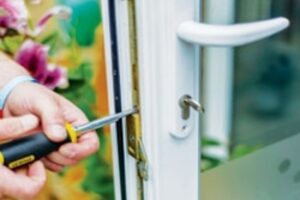
10 Things Everybody Gets Wrong About The Word “Electronic Door Locks.”
Understanding Electronic Door Locks: The Future of Home Security
As technology continues to progress, many aspects of life have gone through substantial modifications, including home security. Among the most significant developments in this field is the introduction of electronic door locks. Using convenience, security, and a myriad of features, electronic locks have ended up being significantly popular amongst property owners, businesses, and security-conscious individuals. This article checks out the types, benefits, functions, and considerations associated with embracing electronic door locks.
What Are Electronic Door Locks?
Electronic door locks are locking systems that utilize an electronic mechanism to run, instead of conventional mechanical locks that count on keys. repairmywindowsanddoors can be managed utilizing numerous methods, consisting of keypads, mobile phone apps, or biometric sensing units. The purpose of electronic door locks is to provide boosted security and ease of gain access to compared to standard locking systems.
Types of Electronic Door Locks
There are numerous kinds of electronic door locks, each with its own unique features and advantages. Below is a table summarizing the most common types:
Type of Electronic Lock
Description
Advantages
Keypad Locks
Require a numeric code entered via a keypad.
Easy to utilize, no physical secrets required.
Smart Locks
Can be controlled through smartphone apps and typically consist of features like remote access.
Offers maximum benefit and control.
Biometric Locks
Use finger print, facial recognition, or other biometric information to grant gain access to.
High security, difficult to duplicate.
Bluetooth Locks
Connect to mobile phones or tablets by means of Bluetooth for gain access to.
Practical for users acquainted with digital innovation.
Remote-Controlled Locks
Run via remote control devices, typically used in companies.
Permits fast gain access to without physical keys.
Advantages of Electronic Door Locks
Changing to electronic door locks provides numerous advantages that can improve overall security and benefit. Here are some of the most prominent advantages:
- Enhanced Security: Electronic locks typically include advanced security functions like encryption, making unauthorized access more hard.
- Convenience: Users can acquire access without needing to bring keys. In lots of cases, they can quickly reset codes or manage gain access to remotely.
- Audit Trails: Many electronic locks offer logs of who went into or left, providing important insights into any suspicious activity.
- Ease of access: Remote access and management functions permit property owners to monitor their doors from anywhere, offering peace of mind.
- Integration with Smart Home Systems: Electronic door locks can be incorporated with other smart home gadgets, such as security cameras and alarms, developing a cohesive security network.
Elements to Consider When Choosing Electronic Door Locks
When choosing an electronic door lock, it is crucial to think about various factors to guarantee the very best fit for your requirements. Here are some crucial factors to consider:
- Type of Access Control: Decide whether a keypad, biometric, or smart app control is best for your lifestyle.
- Security Features: Look for additional features such as auto-lock, tamper alarms, or emergency situation override options.
- Power Source: Many electronic locks operate on batteries; for this reason, it's important to consider how frequently battery replacement is required.
- Compatibility: Ensure the lock is suitable with your current door hardware and frame.
- User Management: Choose a lock that enables simple addition or removal of users, specifically in shared living scenarios.
Installation and Maintenance
Installation
Installing an electronic door lock can vary substantially based upon the type and model. In basic, the procedure involves:
- Removing the Existing Lock: Unscrewing and getting the present lock from the door.
- Setting Up the New Lock: Following the maker's directions to ensure proper alignment and fitting.
- Evaluating the Lock: Once set up, it's vital to evaluate the lock to validate it operates as expected.
Some homeowners choose to hire a professional for installation, especially when dealing with complex systems.
Maintenance
Regular maintenance of electronic door locks is important for durability and functionality. Here are simple upkeep suggestions:
- Battery Replacement: Keep track of battery life and change them as needed.
- Firmware Updates: Ensure that smart locks are routinely updated to protect against possible vulnerabilities.
- Tidy and Inspect: Regularly clean the lock and look for any physical damage or wear that could affect efficiency.
Frequently Asked Questions (FAQs)
Q1: Can electronic door locks be hacked?A: While no system is
totally invulnerable to hacking, electronic door locks with robust file encryption and security procedures significantly lower the risk. Q2: Do I need Wi-Fi to use a smart lock?A: Not all smart locks need consistent Wi-Fi. Some run entirely via Bluetooth or have offline performance, though Wi-Fi can boost their functions. Q3: What occurs if the batteries die?A: Most electronic locks have a backup access approach, like an essential override or emergency situation power supply options, allowing access even when the battery is depleted. Q4: Can I still use a conventional secret with electronic locks?A: Many electronic locks provide a key override to ensure access in case of malfunctioning
or dead batteries. Q5: Are electronic door locks appropriate for outside use?A: Yes, lots of electronic locks are developed for outside conditions, however it is essential to inspect the specs to guarantee weather resistance. Electronic door locks are changing the method people secure their homes and residential or commercial properties. With a variety of types, advantages, and includes available, it is essential for customers to consider their distinct needs and choices. By understanding the readily available choices, potential users can make informed options that boost security while offering much-needed convenience in today's digital world. As innovation continues to develop, the future of home security looks progressively promising with electronic door locks at the forefront of development.